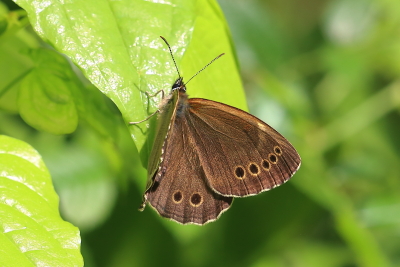
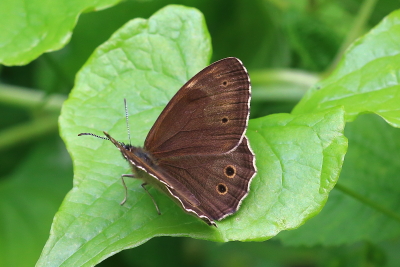
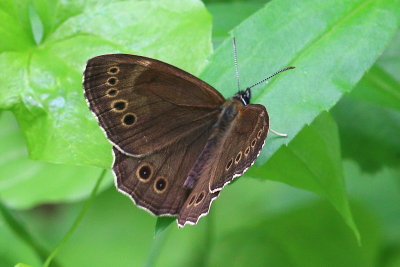
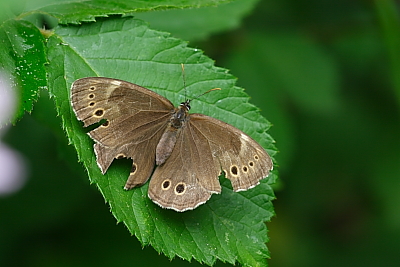
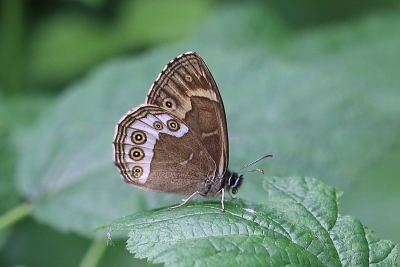
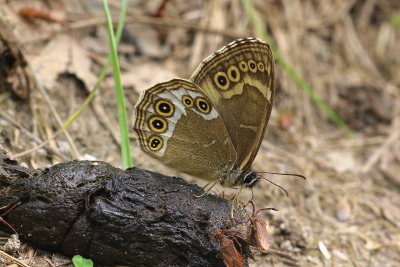
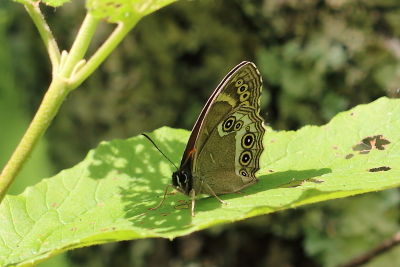
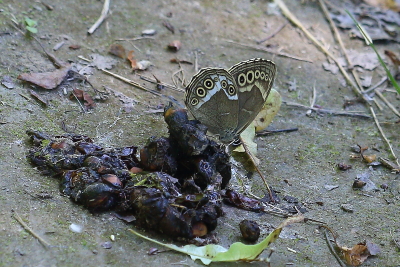
Woodland Brown (Lopinga achine)
2025 photographs highlighted in green. Click on any photograph to go to an enlarged picture, or simply scroll down the page.
|
|
|
|
|
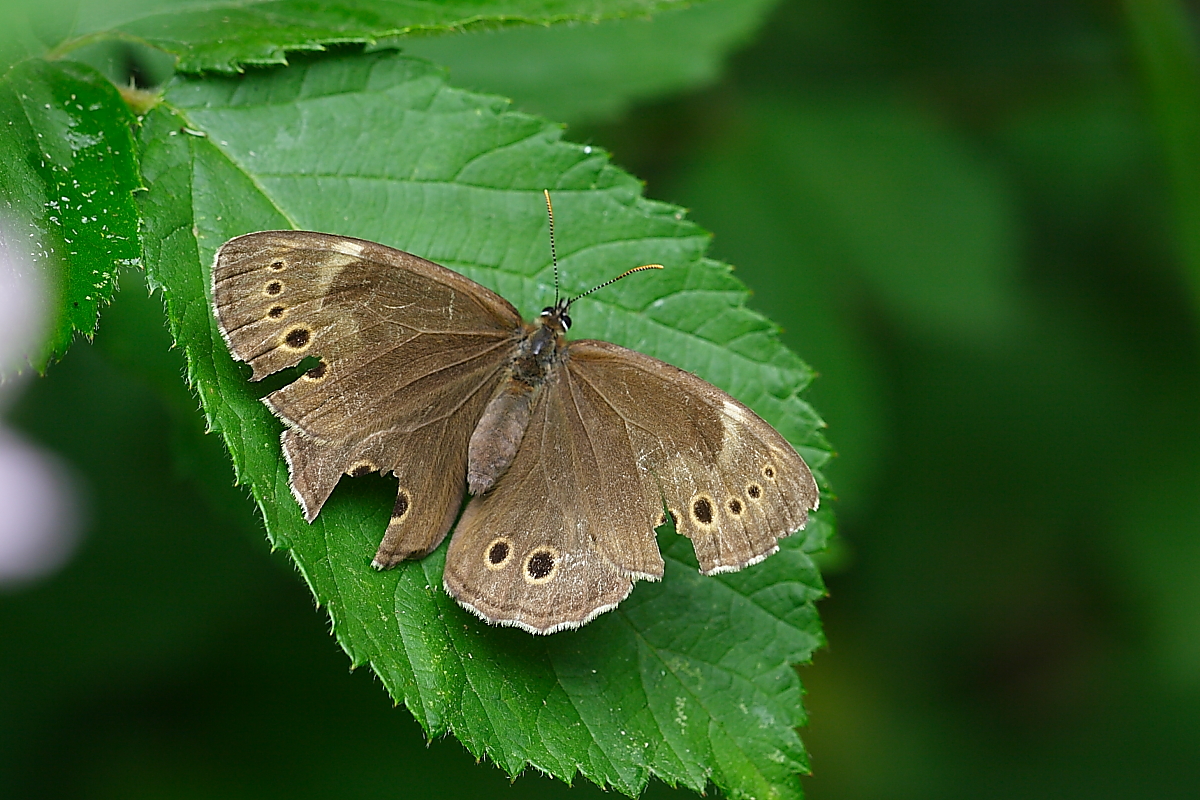
| 15901_male_Côte-d'Or_05Jun09 | 53371_male_Rhône_25May25 | 53381_male_Rhône_25May25 | 53386_male_Rhône_25May25 |
|
|
|
|
|
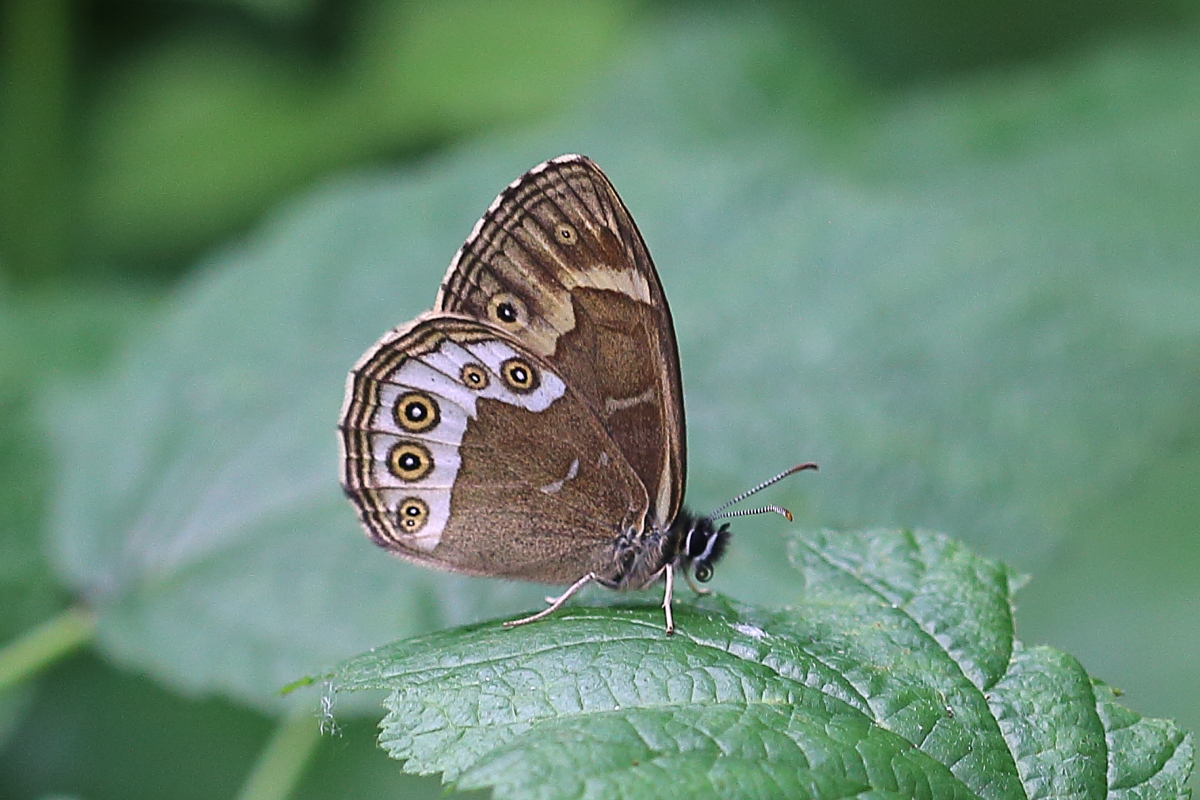
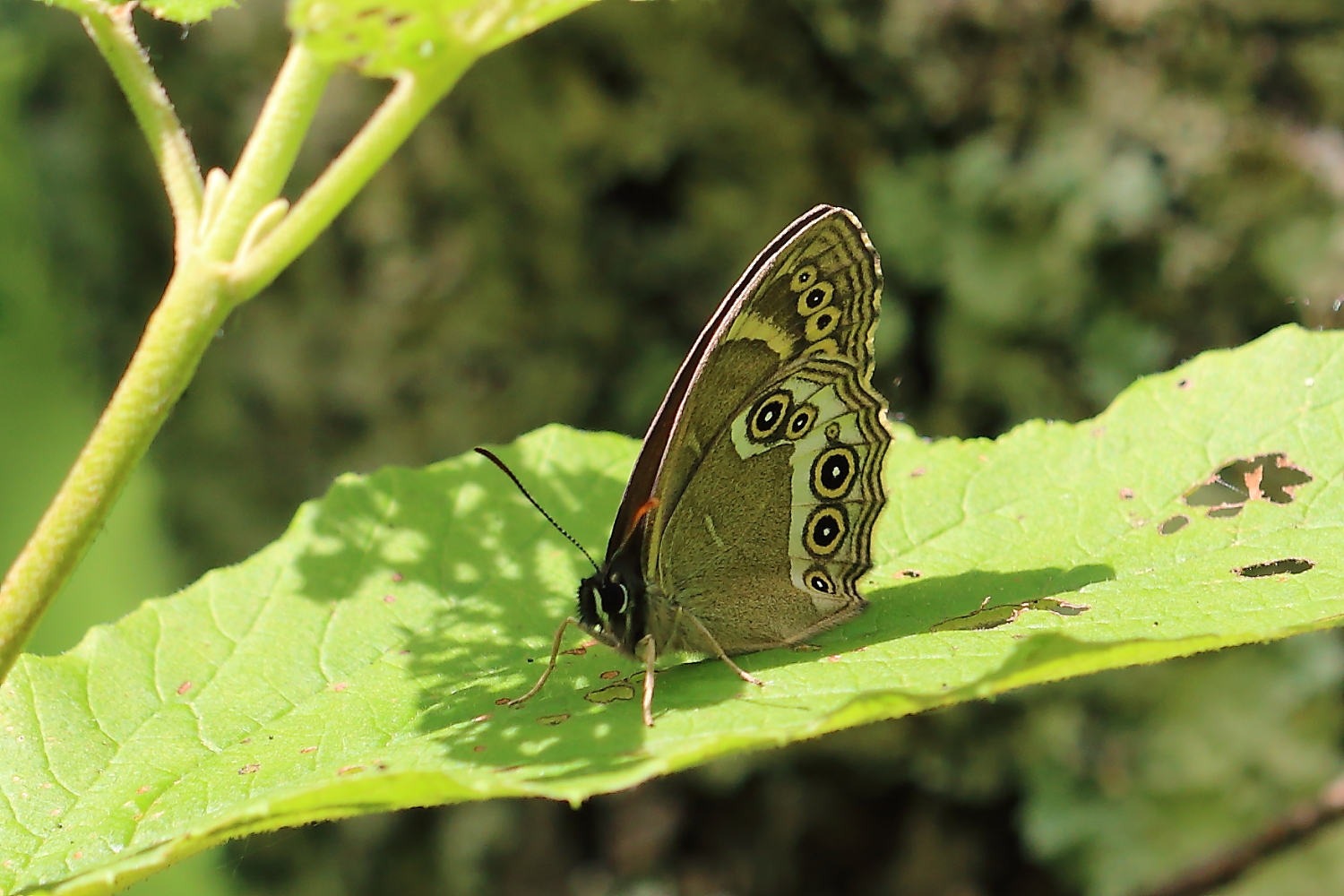
| 37574_female_Côte-d'Or_12Jun15 | 53376_male_Rhône_25May25 | 53393_male_Rhône_25May25 | 40676_male_Rhône_28May16 |
|
|
|
||
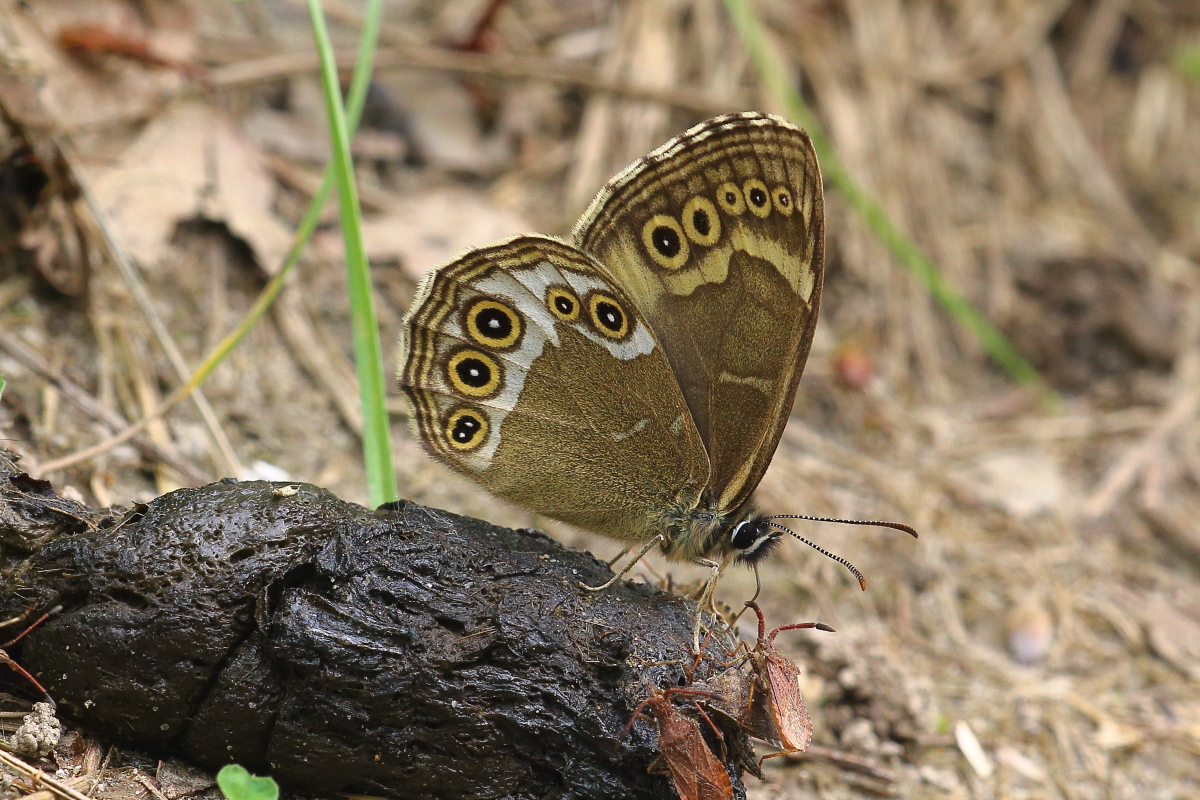
| 42855_male_Rhône_25May17 | 43258_female_Rhône_03Jun17 |
|
A beautifully marked and rather rare butterfly. I first saw achine at this one location in Côte-d'Or, central France, in late June 2007, a single tired and worn female, probably the last of the colony. I revisited the site again in early June 2008 and was rewarded with several fresh achine flying, not to mention a couple of Scarce Fritillaries (Euphydryas maturna).
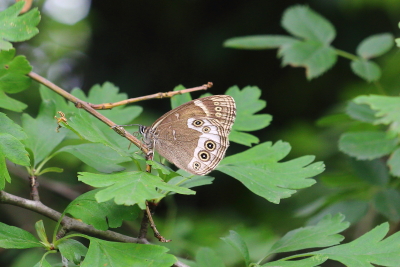
It is a very nervous butterfly, remarkably difficult to approach for a photograph, as these pre-2025 distance shots testify; any closer and it is off very quickly. The underside is magnificent, and the ups is almost as attractive. In 2009 it was present in good numbers at this same site, but not present in mid-June 2010, perhaps the flight period being over by then.
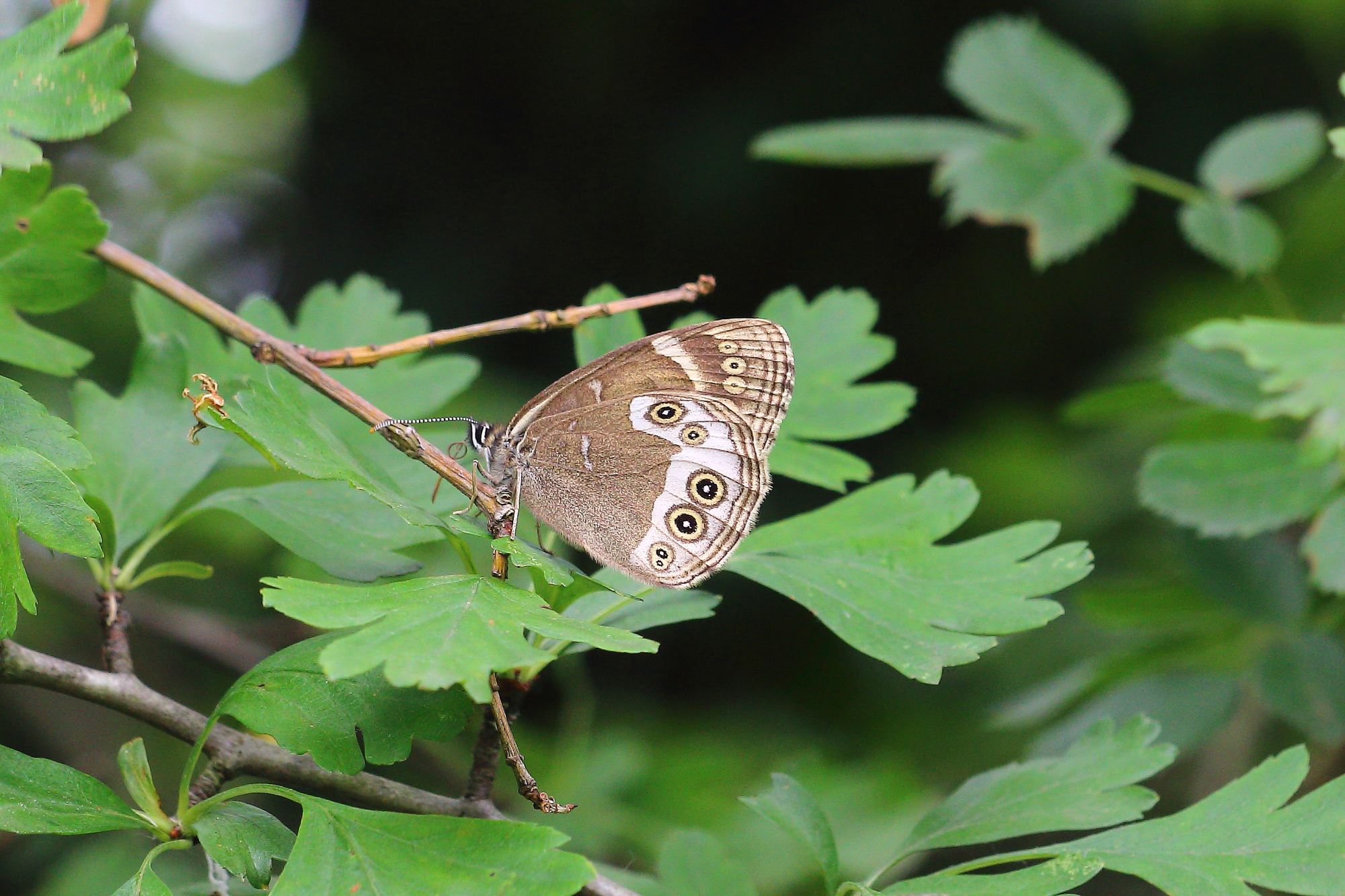
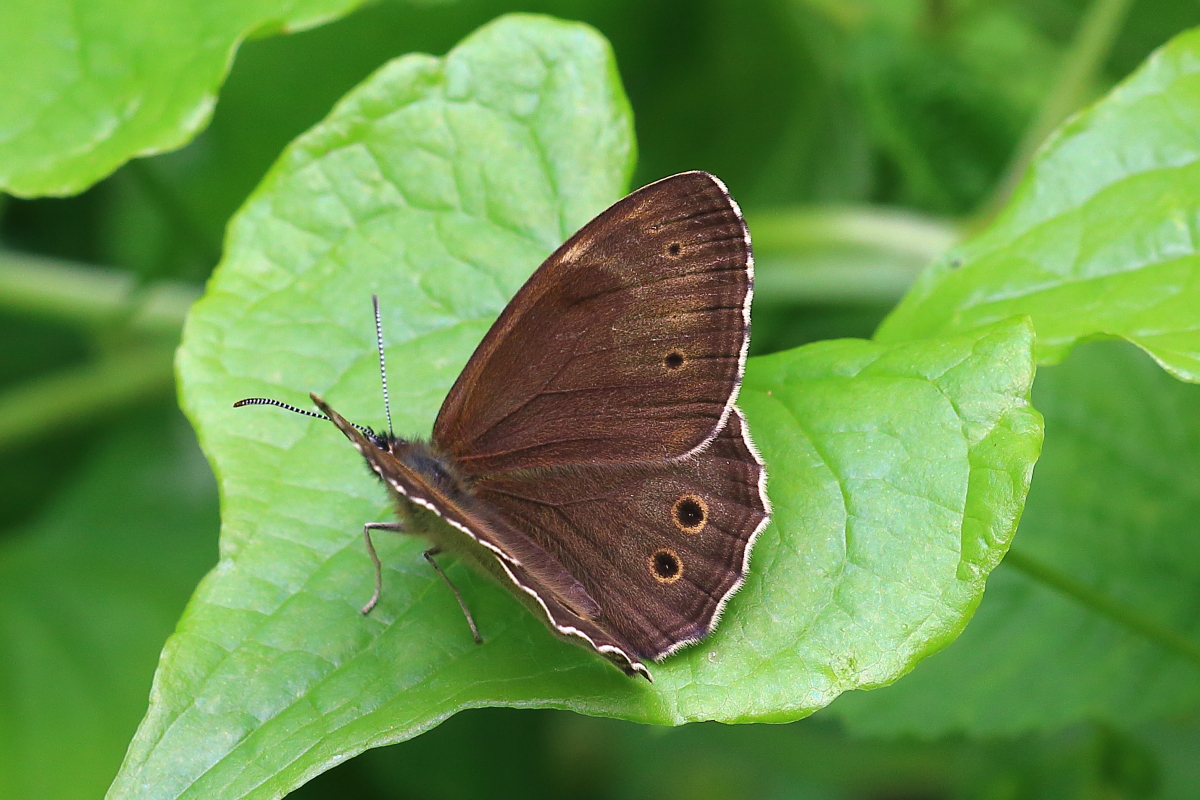
In 2015 I visited a site in the Rhône département where some 70 or more achine were flying but they were so active, even early in the morning, that photography was impossible. However, a trip a few days later to a site in Côte-d'Or searching for maturna (which we did not see), there were still a few unexpected achine still flying there. 37574 very kindly posed for the camera in overcast conditions.
In 2016 I revisited the Rhône location at the end of May, which should have been ideal timing, except that 2016 was a rather late year and achine was only just starting to emerge on 28 May. We saw several very fresh but even more nervous males, hence 40676 as a distance shot being the nearest we could get. Contrast this with 2017, when a visit to the same site revealed an achine count of over one hundred, not that photography was any easier. |
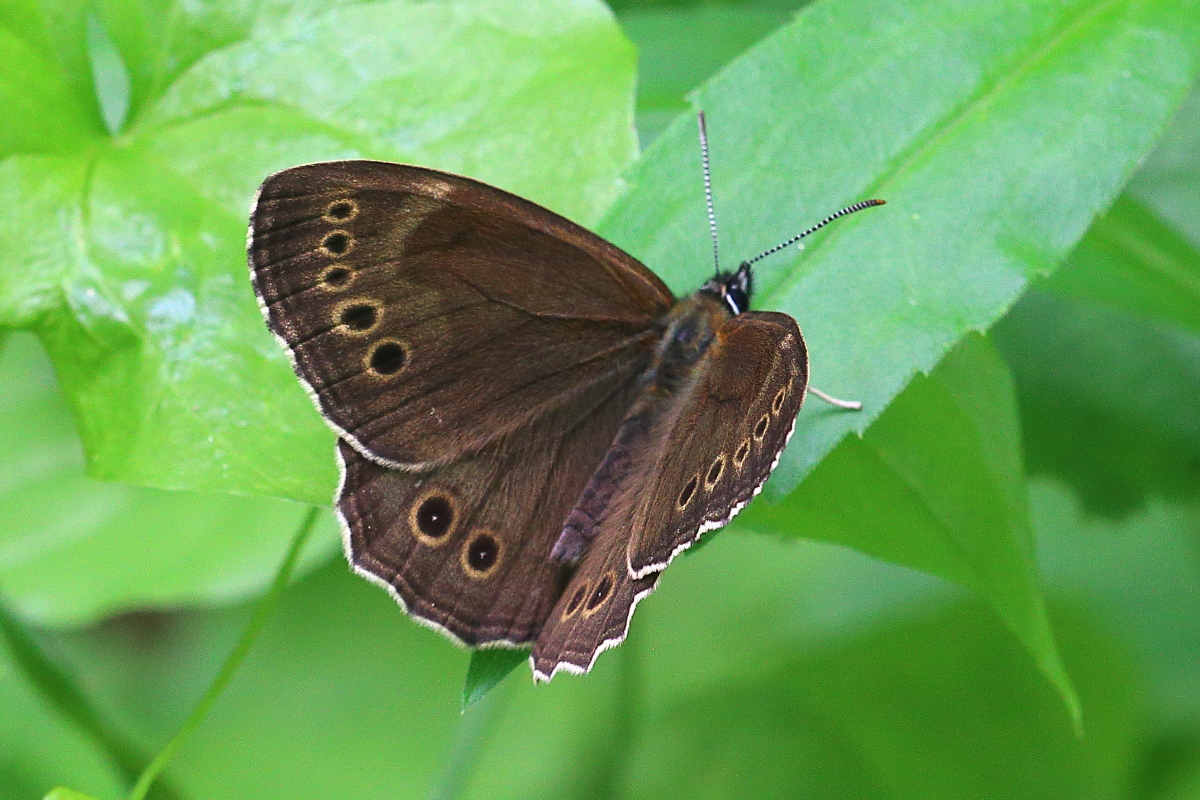
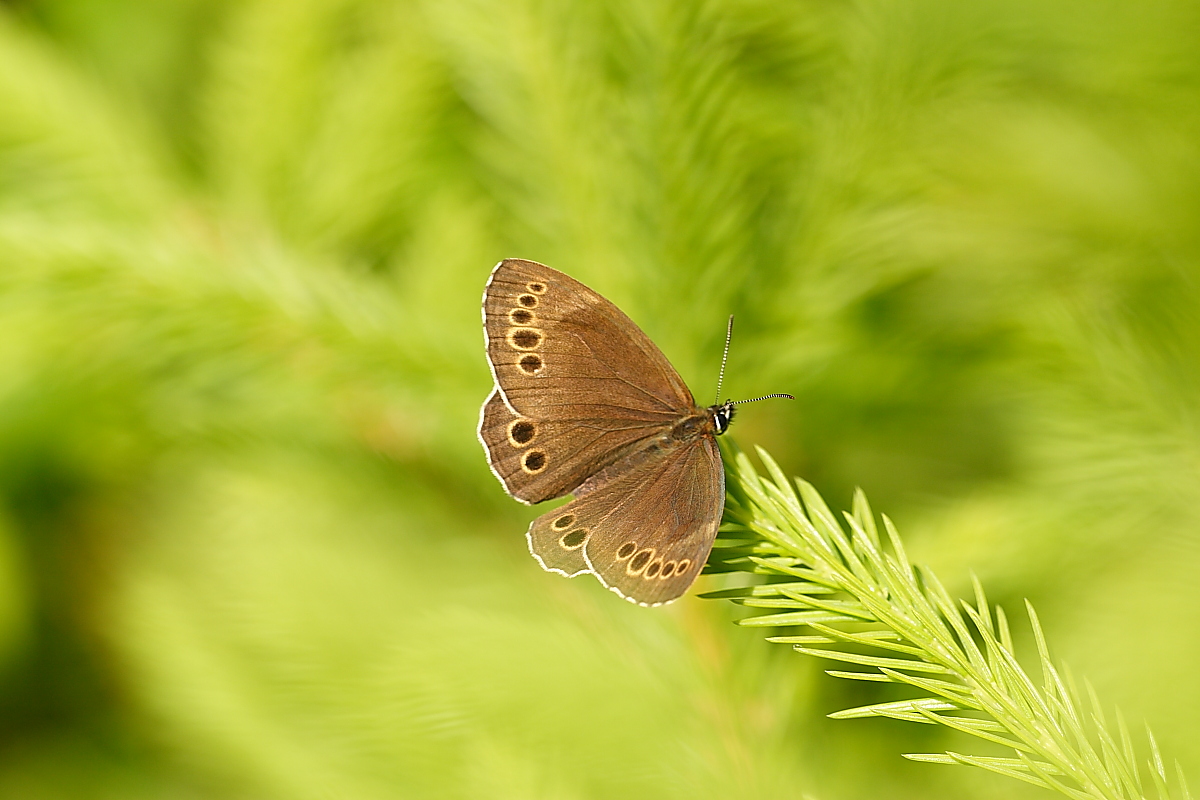
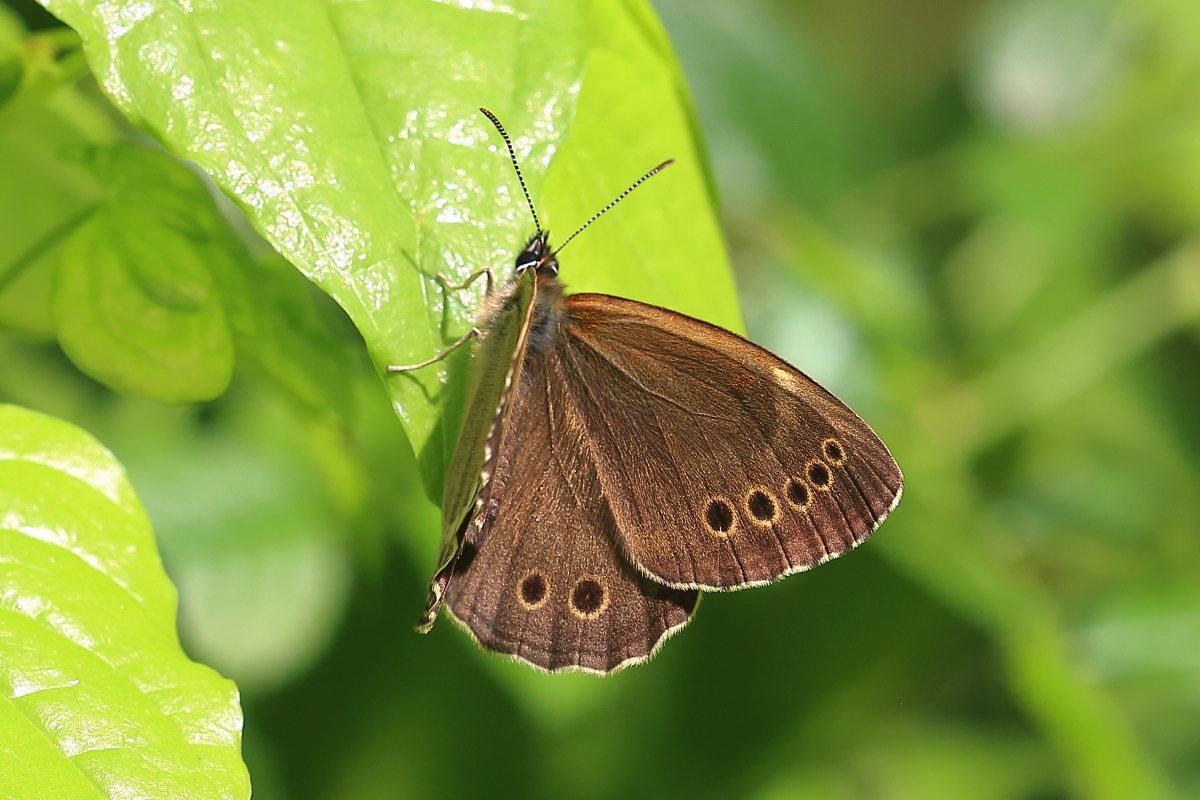
It has a habit, unique among all butterfly species in my experience, of flying into the dense trees and bushes and rarely settling at less than 2-3m above the ground. However, the butterfly gods do seem to reward persistence and, as luck would have it, our travel plans south to Var were changed such that we were passing Lyon on 25 May 2025 and it was an early season, so we made a speculative stop at the achine site. They were flying there, in their usual evasive manner, but then at one location on the track, there was dappled sunlight on lowish bushes and this seemed to be a magnet for them. They flitted around these bushes, maybe six or seven at a time, settling briefly with open wings, as these shots on the top row show. There were also opportunities for a decent uns shots, so at last I feel I have done justice to this stunningly beautiful butterfly. I was just lucky to hit the start of the flight season when these fresh-out-of-the-box males (I did not see any females) had just emerged. I felt privileged to be allowed to see them. |
| ref | sex |
observations |
alt. m |
| 15901 | M |
a rather worn male. |
320 |
| 53371 | M | a male ups with a full set of upf lunules. | 180 |
| 53381 | M | a male ups with a rather reduced set of upf lunules. 53376 may be the uns as the lunules seem to match | 180 |
| 53386 | M | a male ups with a full set of upf lunules. | 180 |
| 35754 | F | a female, very much at the end of the flight period, but photographic opportunities are so infrequent with this species, that anything gets included. | 370 |
| 53376 | M | a male uns, very probably the uns of 53381. | 180 |
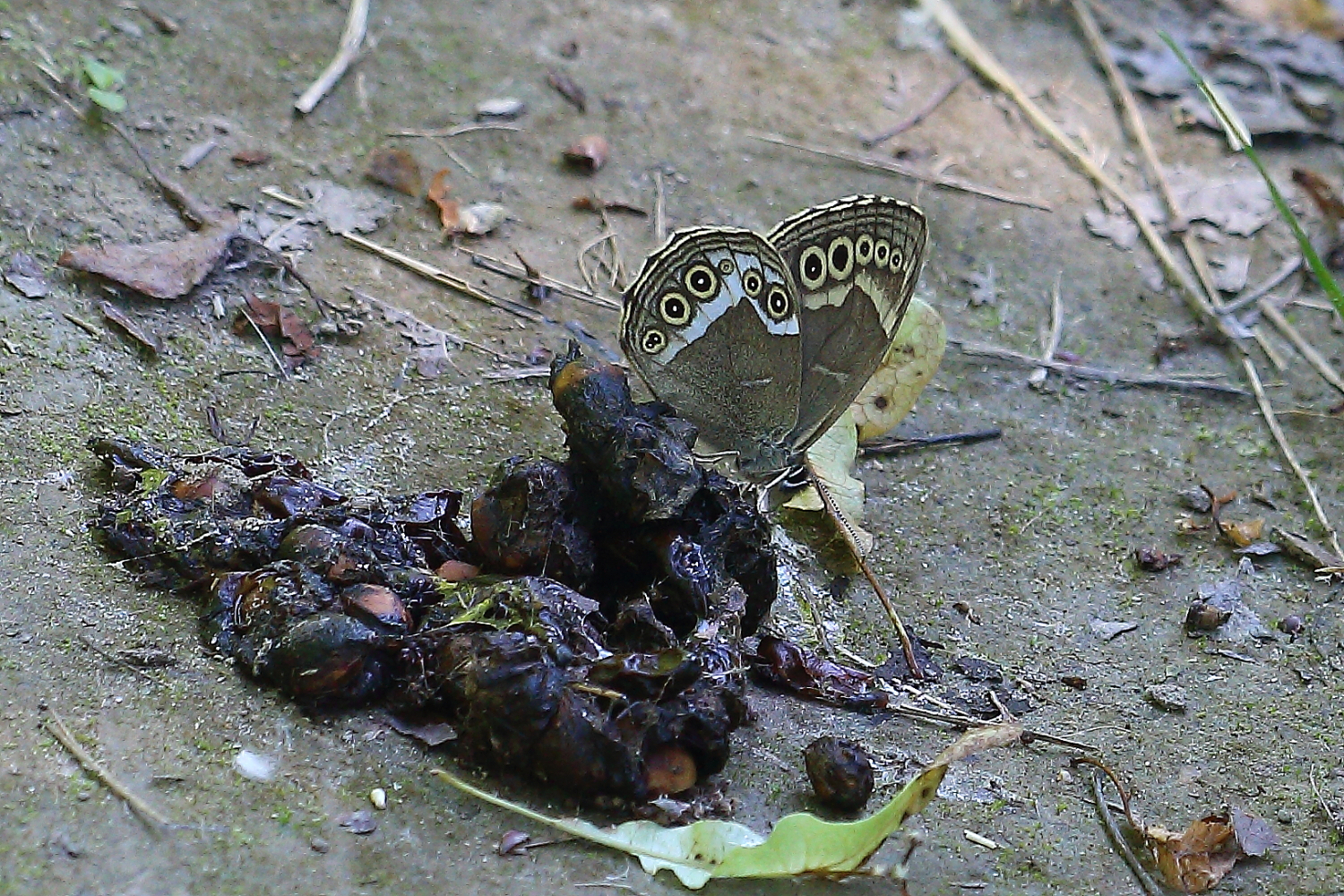
| 53393 | M | a male uns. There were some seven or so males on this what I can only conclude is a fox dropping (but please correct if that's not the case), but they saw me before I saw them and they dispersed. Eventually one returned and was sufficiently preoccupied to allow a close-up shot of the magnificent and unique uns. | 180 |
| 40676 | M | a male, as mentioned in the narrative, the nearest we could get to this early emerger. | 180 |
| 42855 | M | a beautifully marked fresh male, taking salts from the droppings of a wild animal that I am not able to identify. It was a rare opportunity to get a close shot, but even on approaching very gently, it was still enough to spook the subject and, despite considerable patience, it did not return. | 180 |
| 43258 | F | a female, photographed at the same site only a week or so later, but already showing some fading, even for a female given that they tend to emerge later than the males. | 180 |
37574_female_Côte-d'Or_12Jun15